Survival bag vs space blanket vs emergency bivvy: which should you carry?
8 November 2026 · 5 min read · Prices checked 7 November 2026
Survival bag vs space blanket
A plastic survival bag, a foil space blanket and a foil emergency bivvy all fit in a pocket, but they don't keep you equally warm. Here's how they compare, what one mountain rescue study measured, and which to carry.
If you're hurt or stuck on a hill, the wind and wet can chill you far faster than the air temperature suggests. A light emergency shelter in your rucksack buys you time. The three common types, a survival bag, a space blanket and an emergency bivvy, all fit in a pocket, but they don't do the same job. Here's how they differ and which to carry.
The short answer
- Carry a bag, not just a sheet. A bag you can climb into keeps out wind and rain on every side. A flat sheet is hard to keep wrapped round you in wind.
- For most hill walks, a foil emergency bivvy of about 105 g to 110 g or a plastic survival bag of about 260 g to 290 g is enough.
- For winter or remote trips, an insulated bag such as the Blizzard 3-Layer Survival Bag keeps more heat in.
- Wear your layers and get off the ground as well: sit on your rucksack or a mat, and keep your hat on.
What's the difference?
| Type | What it is | Examples we compare |
|---|---|---|
| Space blanket | A flat sheet of thin, metallised plastic film. Very light and cheap, but you have to hold it round you. | We don't compare sheets: the bag versions below do the same job better |
| Plastic survival bag | A thick polythene or PVC bag, usually orange. Tough, windproof and waterproof, with no reflective layer. | Highlander (260 g, £4.99), Lifesystems (290 g, £5.99) |
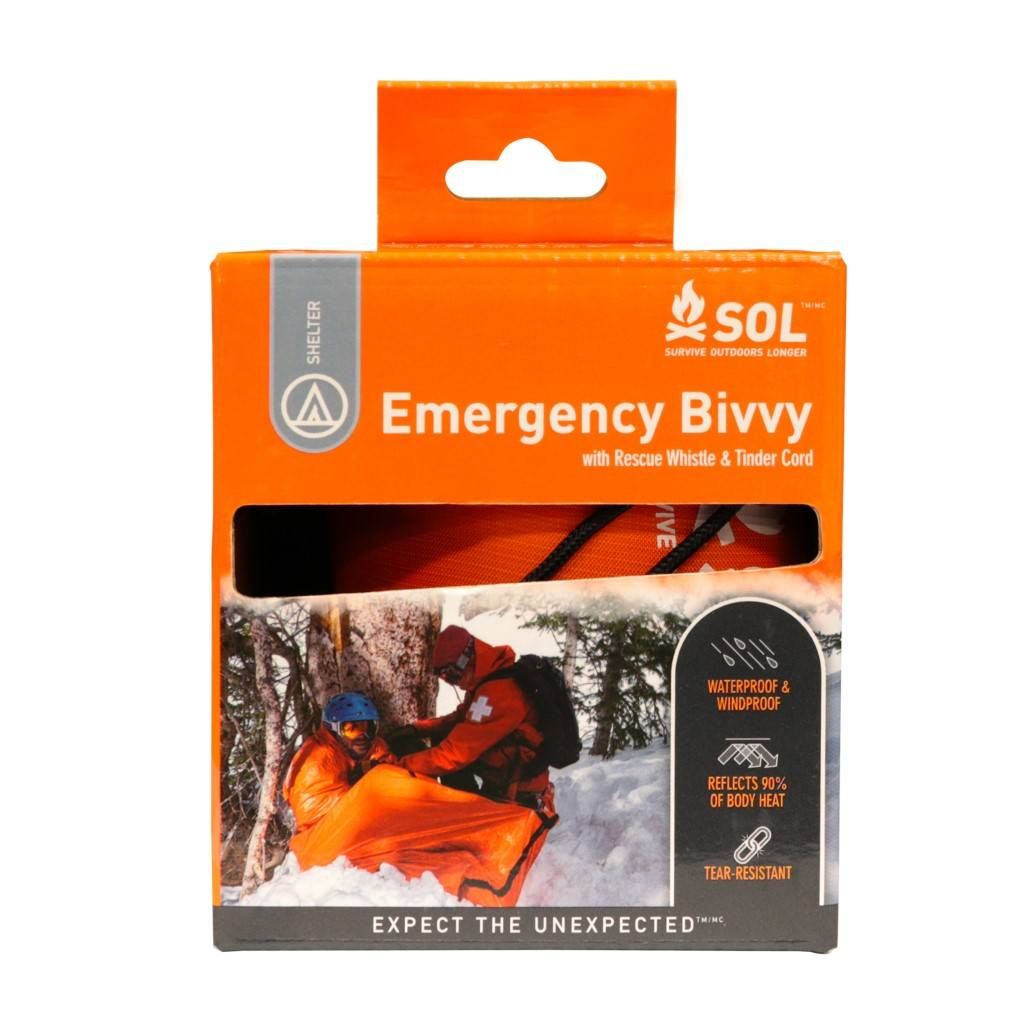
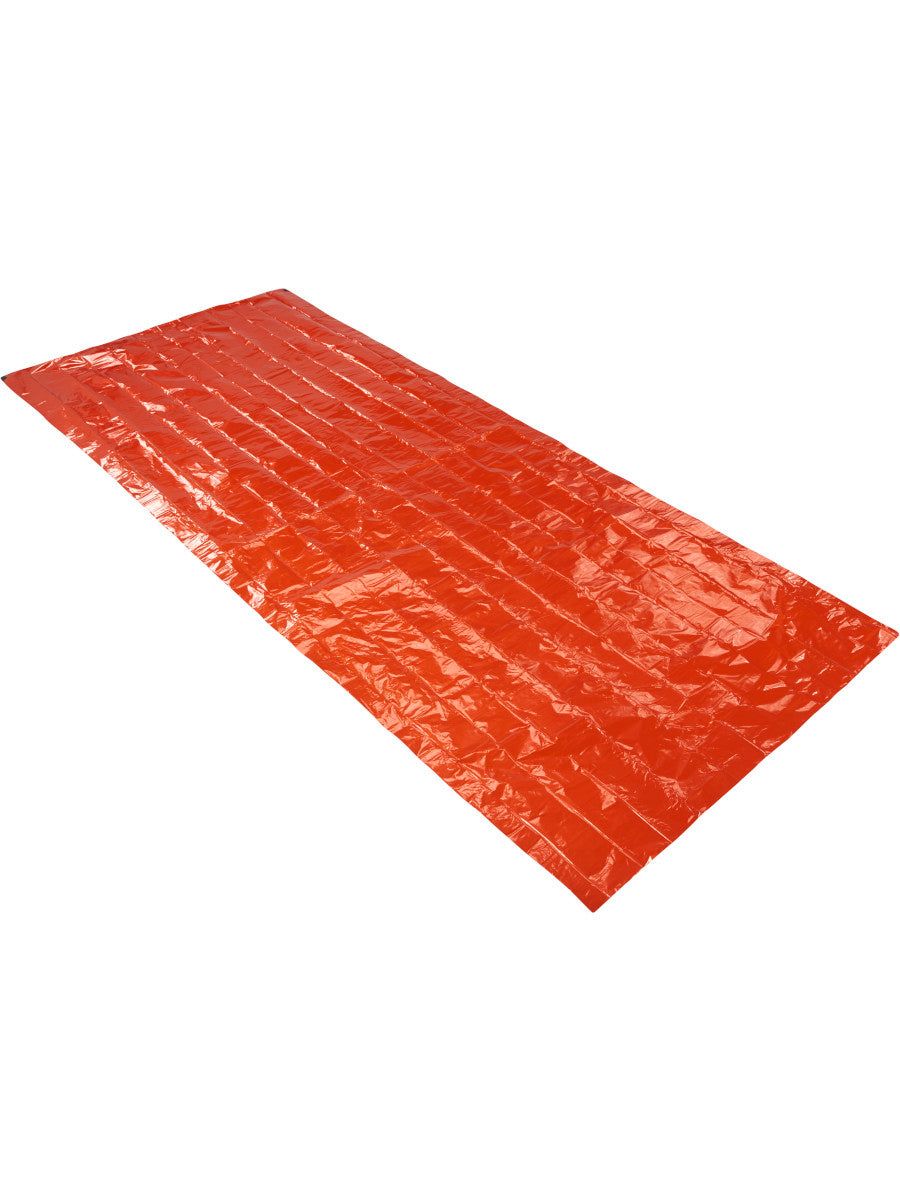
| Foil emergency bivvy | A bag made of thin metallised film. Lighter than plastic, and its shiny side reflects heat. | Rab Ark (105 g), SOL Emergency Bivvy (108 g), Lifesystems Heatshield (110 g) |
| Breathable emergency bivvy | A reflective bag in a fabric that lets moisture out, so you stay drier inside. | SOL Escape Lite (156 g, £47) |
| Insulated survival bag | Layers of film with trapped air between them, so it insulates as well as reflecting. | Blizzard 3-Layer (385 g, £41) |
Reflection figures are the makers' own claims: SOL says its Emergency Bivvy reflects 90% of body heat and the breathable Escape Lite 70%. Blizzard rates its 3-layer bag at 7.5 tog. None of these are independent test results, so treat them as a guide.
What the evidence says
There's little independent testing of emergency shelters, but a 2017 study for mountain rescue teams is a useful guide. Researchers filled a manikin with warm water and measured how fast it cooled inside different casualty bags over 130 minutes, in still air. Inside a Blizzard bag the water cooled by 5.4 °C. Inside a plastic survival bag it cooled by 9.5 °C. Heavier rescue casualty bags did better than both (Press and others, Extreme Physiology & Medicine, 2017).
So an insulated bag kept in noticeably more heat than plain plastic. The study was in still, dry air, though: on a real hill, keeping out wind and rain matters too, and any bag does that far better than nothing. Mike Margeson, Vice Chairman of Mountain Rescue England and Wales, says: "I also keep a big old orange plastic survival bag in the base of my sack, which can be a lifesaver."
Our picks
Emergency shelters we'd carry
3. Best value foil bag
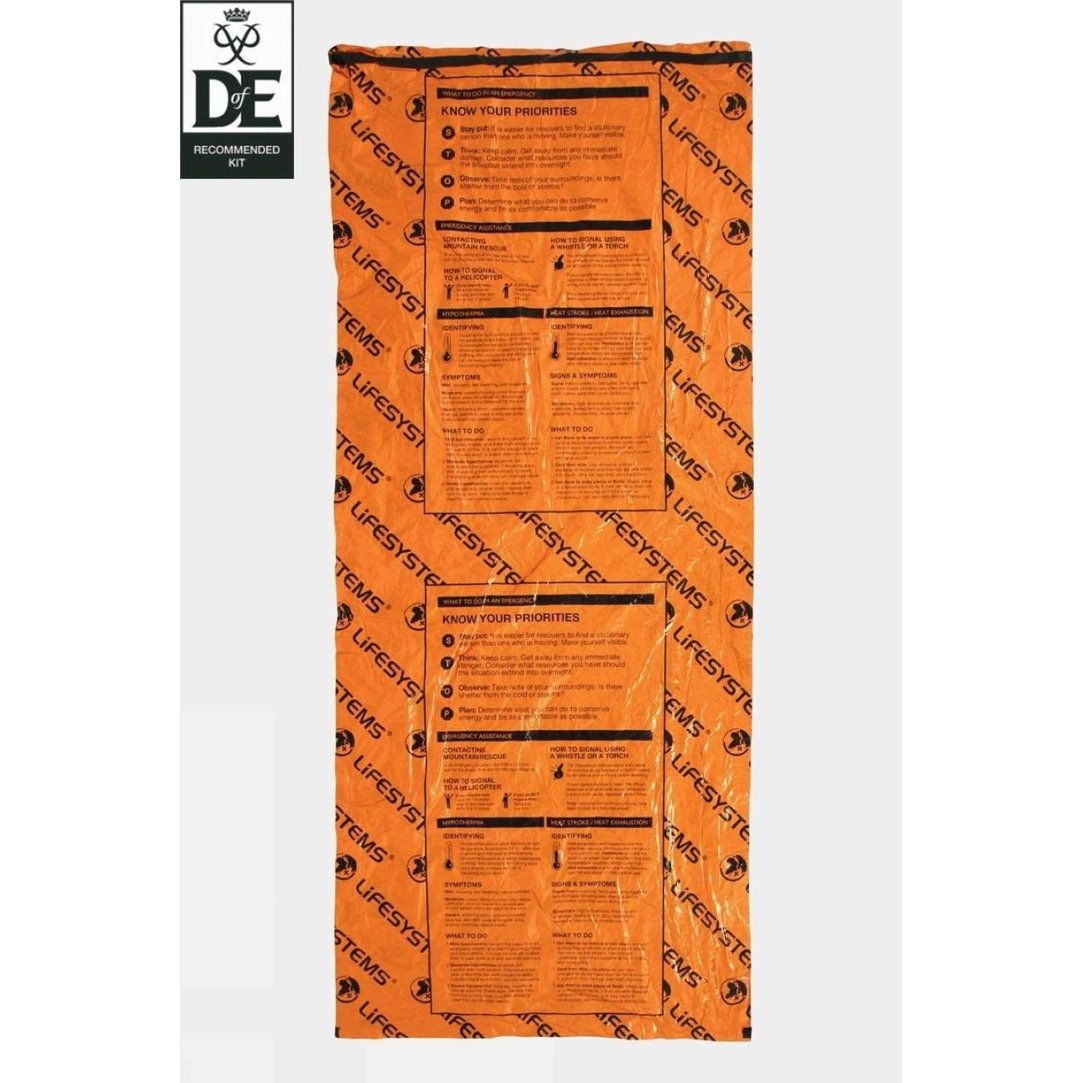
Lifesystems Heatshield Thermal Bag
Retains over 90% of radiated body heat · 110 g
Read why ↓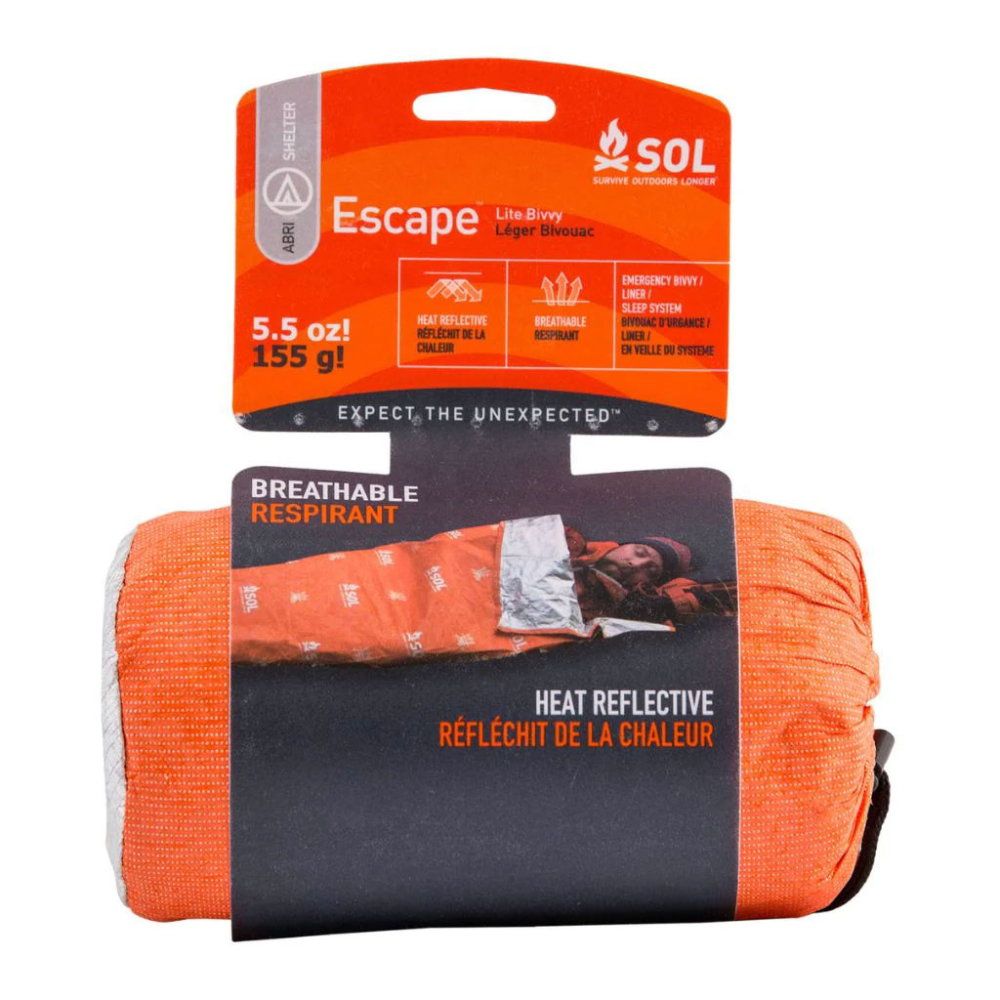
4. Breathable
SOL Escape Lite Bivvy
Reflects 70% of body heat while letting vapour escape · 156 g
Read why ↓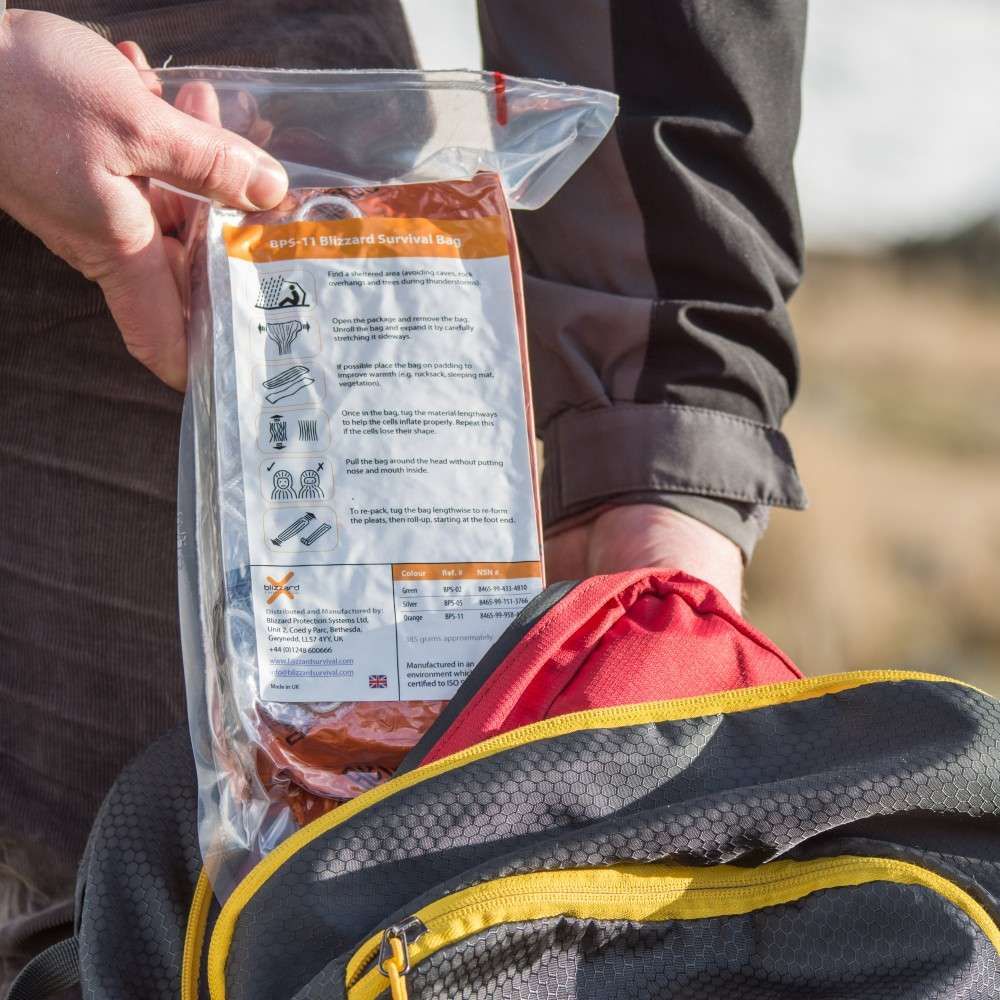
5. Warmest
Blizzard 3-Layer Survival Bag
Rated 7.5 tog: insulates, not just reflects · 385 g
Read why ↓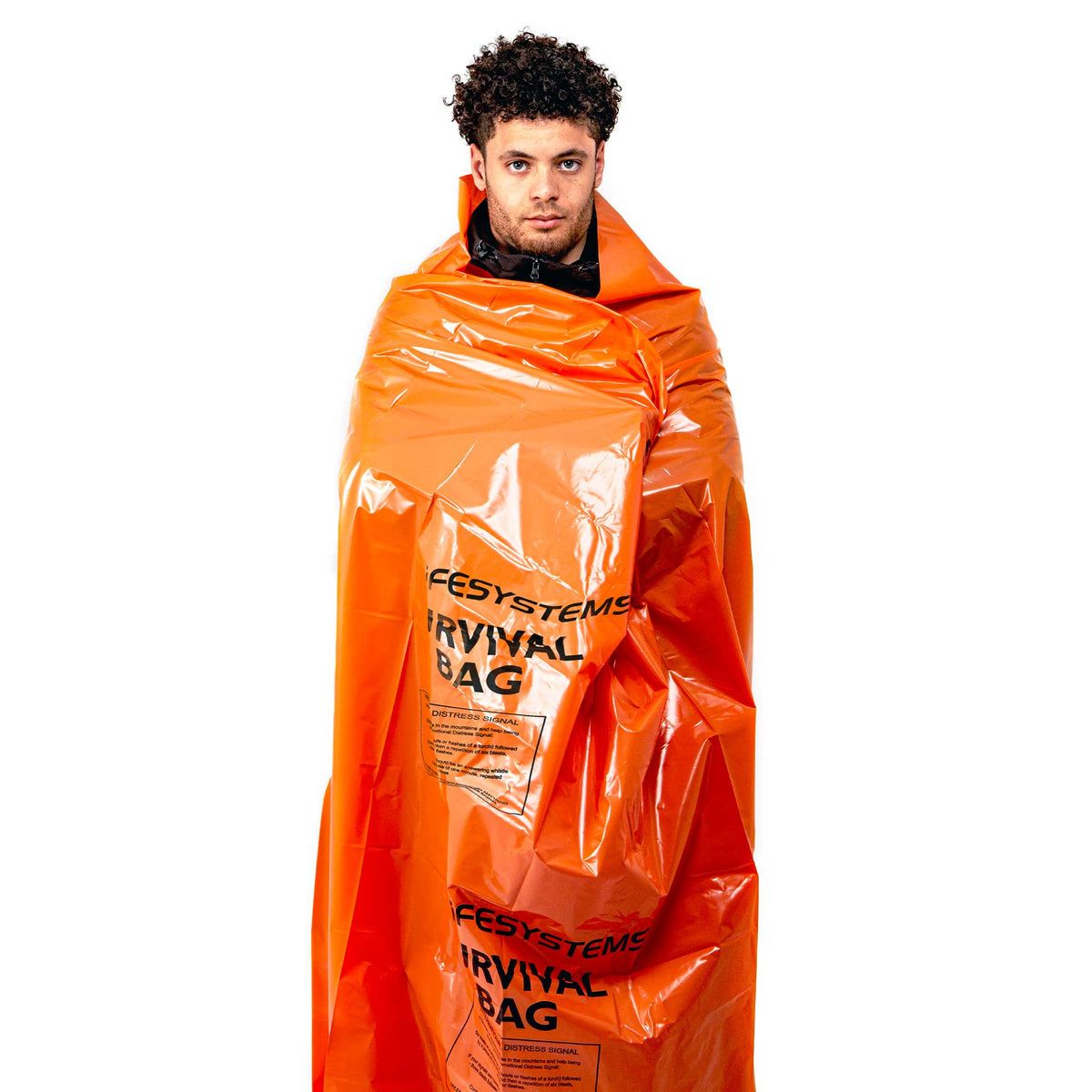
6. Toughest plastic bag
Lifesystems Survival Bag
Windproof and waterproof barrier; no reflective layer · 290 g
Read why ↓
| Bag | Best for | Warmth | Weight | Best price |
|---|---|---|---|---|
| SOL Emergency Bivvy | Best all-rounder | Reflects 90% of body heat | 108 g | £19.99 at Needle Sports |
| Rab Ark Emergency Bivi | Lightest | Reflects body heat; windproof and waterproof | 105 g | £11.70 at Facewest |
| Lifesystems Heatshield Thermal Bag | Best value foil bag | Retains over 90% of radiated body heat | 110 g | £10.95 at Cotswold Outdoor |
| SOL Escape Lite Bivvy | Breathable | Reflects 70% of body heat while letting vapour escape | 156 g | £47.34 at Oliunid |
| Blizzard 3-Layer Survival Bag | Warmest | Rated 7.5 tog: insulates, not just reflects | 385 g | £34.50 at DS Medical |
| Lifesystems Survival Bag | Toughest plastic bag | Windproof and waterproof barrier; no reflective layer | 290 g | £5.99 at Cotswold Outdoor |
- SOL Emergency Bivvy: a good all-rounder at 108 g, with heat-sealed seams. It isn't breathable, so expect condensation.
- Rab Ark Emergency Bivi: the lightest we compare at 105 g, about the size of a fist.
- Lifesystems Heatshield Thermal Bag: a reflective bag for about £10.95, taped seams and a radar-reflective finish to help search and rescue.
- SOL Escape Lite Bivvy: breathable, so far less condensation, and it doubles as a summer sleeping bag cover. It's water-resistant rather than fully waterproof.
- Blizzard 3-Layer Survival Bag: the warmest, for winter and remote trips, at 385 g. It's bulky and hard to repack once used.
- Lifesystems Survival Bag: thick polythene for about £5.99, roomy enough for one person and kit, and tough enough to sit on.
Which one should you carry?
| Trip | Carry |
|---|---|
| Summer hill walk or day hike | A foil emergency bivvy or a plastic survival bag |
| Winter hills, Scotland or remote routes | An insulated bag like the Blizzard, plus warm layers |
| Running, cycling or travelling light | The lightest foil bag you can find room for |
| Leading a group | A bag for yourself, and ask your leader or club about a group shelter |
| Home or car emergency kit | Any of these, with a proper sleeping bag for a power cut. See our power cut guide |
How to use an emergency bag
- Get out of the wind first: behind a wall, boulder or bank if you can.
- Put on every layer you have, including a hat and gloves, before getting in.
- Insulate yourself from the ground: sit or lie on your rucksack, a mat or a pile of spare kit.
- Get in feet first and pull the bag up to your chin.
- Keep your face out of non-breathable bags to cut condensation, and expect the inside to get damp.
- Call for help if you need it: in the UK, dial 999, ask for the police, then mountain rescue.
Survival bag FAQ
Frequently asked questions
Is a survival bag better than a space blanket?+
For most people, yes. A bag surrounds you and keeps out wind and rain on every side, while a flat sheet is hard to keep wrapped round you in wind. Foil bags are only slightly heavier than a sheet.
Do foil survival bags actually work?+
They help, mainly by blocking wind and rain and by reflecting some heat. In a 2017 mountain rescue study, an insulated Blizzard bag kept a warm manikin noticeably warmer than a plastic survival bag over 130 minutes. Makers' reflection percentages aren't independent tests.
What's the difference between a survival bag and a bivvy bag?+
A survival bag or emergency bivvy is a light, cheap shelter for emergencies, and most aren't breathable. A camping bivvy bag is made from waterproof, breathable fabric to sleep in night after night. See our comparison of camping bivvy bags.
Can you reuse a survival bag?+
Some can: thick plastic bags and the Ortovox Bivy Single are tough, and SOL says its Emergency Bivvy is tear-resistant enough to reuse. Thinner foil bags such as the Lifesystems Heatshield are single-use in practice. Check any bag for tears after use and replace it if in doubt.
Should I carry a survival bag on a summer walk?+
It's sensible on any hill walk. Mountain Rescue England and Wales' vice chairman keeps a plastic survival bag in the base of his rucksack all year, and a foil bag weighs about 105 to 110 g.
Compare every emergency bivvy and survival bag by weight, material and price, or see camping bivvy bags for planned nights out.
We may earn a commission when you buy through links on this page, at no extra cost to you. It never changes what we recommend. How we test