Best sleeping bags for a power cut: what the government's Be Ready checklist means for you
28 October 2026 · 8 min read · Prices checked 31 October 2026
Best sleeping bags for a power cut
The government's Be Ready campaign asks every household to manage for three days without services, and sleeping bags are on its checklist. These are the bags we would buy for a cold house, and how to choose your own.
On 22 October 2026 the government launched Be Ready, asking every UK household to be able to manage for three days if power, water or phones go down. Its checklist includes blankets, sleeping bags and warm clothing, because "homes can become cold very quickly when the heating goes off".
Our picks at a glance
What the Be Ready checklist says
Be Ready is a three-year campaign from the Cabinet Office, announced by Security Minister Dan Jarvis. It points to last winter's storms and this summer's wildfires as reminders that severe weather can knock out the services we rely on. The three-day approach matches advice already used in France, Ireland and the Netherlands.
“Those who can follow this advice should follow this advice. By taking simple steps to be ready for everyday emergencies like severe storms, people can reduce pressure on emergency services, helping them prioritise people who need more support in an emergency.”
The Be Ready checklist: what to have for 3 days
- Water3 litres per person per day for drinking, plus more for cooking and washing.
- FoodNon-perishable food that needs no fridge or cooking.
- Light and warmthA torch and spare batteries, plus blankets, sleeping bags and warm clothing.
- CommunicationA battery or wind-up FM radio, and a charged power bank.
- Money and documentsCash, copies of key documents, and written emergency numbers.
- Medical and hygieneA first aid kit, essential medication, hand sanitiser and wipes.
- Babies and petsReady-to-feed formula, nappies, pet food and water.
You don't need to buy it all at once. The campaign suggests checking what you already have and adding an item or two on normal shopping trips. The full list is on the official Be Ready site.
The best sleeping bags for a home emergency kit
Every sleeping bag below has an ISO 23537 temperature rating, so you can compare them fairly. The last pick is an emergency bivvy, which has a heat-reflection figure instead. Prices are the cheapest we found at UK retailers and update with our comparisons.
Best overall for the home
Decathlon Quechua Arpenaz 0 °C
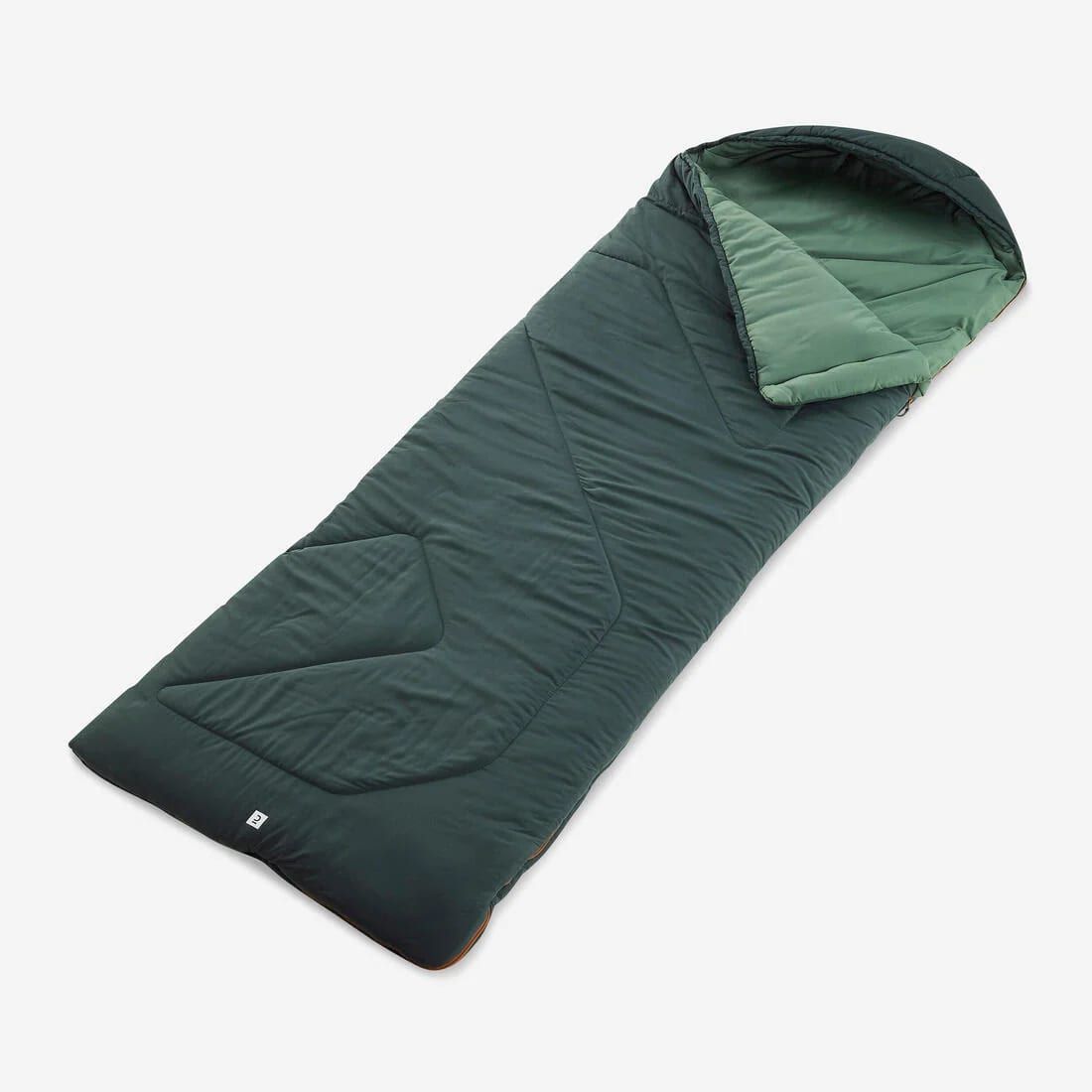
- Warmth
- Comfort 0 °C
- Weight
- 2.2 kg
- Packed size
- 29 L
- Fill
- 100% polyester wadding 350 g/m²
A proper rectangular bag with a 0 °C comfort rating, which covers a cold house in most of the UK. It is roomy enough to sleep in comfortably for several nights, opens flat as a quilt, and its synthetic fill can go in the washing machine.
Reasons to buy
- Roomy rectangular shape with hood; can twin or open as a duvet
- Warm lab rating for the price
Reasons to avoid
- Heavy and bulky - car camping only
- -9°C limit is unusually far below comfort; Decathlon US lists -5°C limit for its Arpenaz 32°F
The bag we would put in most household kits.
Best on a budget
Vango Atlas 350 Quad
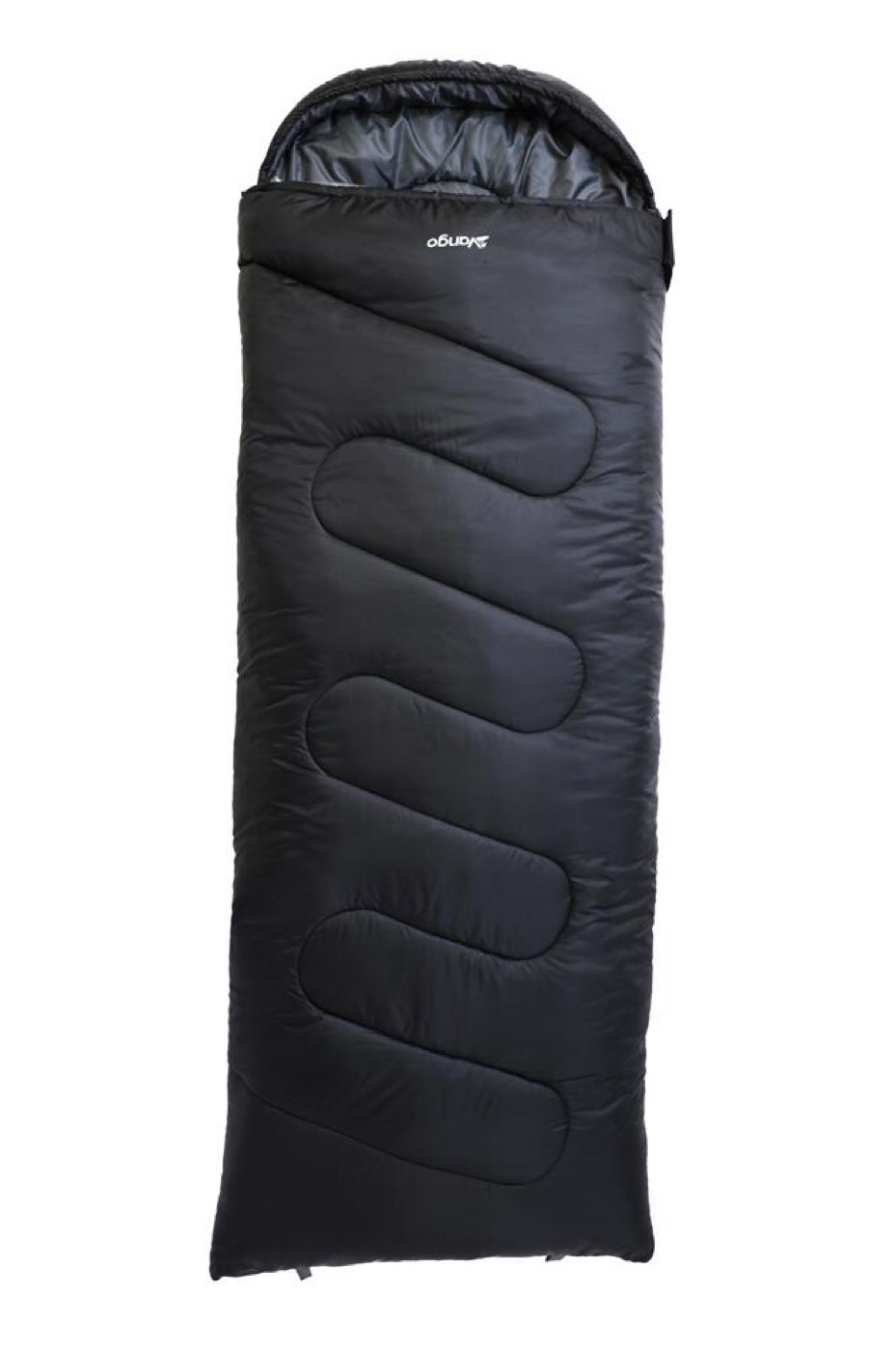
- Warmth
- Comfort +2 °C
- Weight
- 1.65 kg
- Packed size
- Not stated by maker
- Fill
- ThermoLock: 30% single-hole siliconised hollow fibre / 70%…
- Shape
- Rectangle with hood
One of the cheapest lab-rated bags we compare. The hood and square foot make it feel like a duvet, and its +2 °C comfort rating is enough for most homes with warm pyjamas on.
Reasons to buy
- 78cm wide at chest and foot
- EN ISO-rated 2°C comfort / -3°C limit for about £34
- Machine washable
Reasons to avoid
- Packed size not published; quad bags are bulkier than mummies
- Few customer reviews available at UK stockists; out of stock at Vango until Feb 2027
Buy several for the price of one premium bag.
Warmest for the money
Mountain Warehouse Summit 400
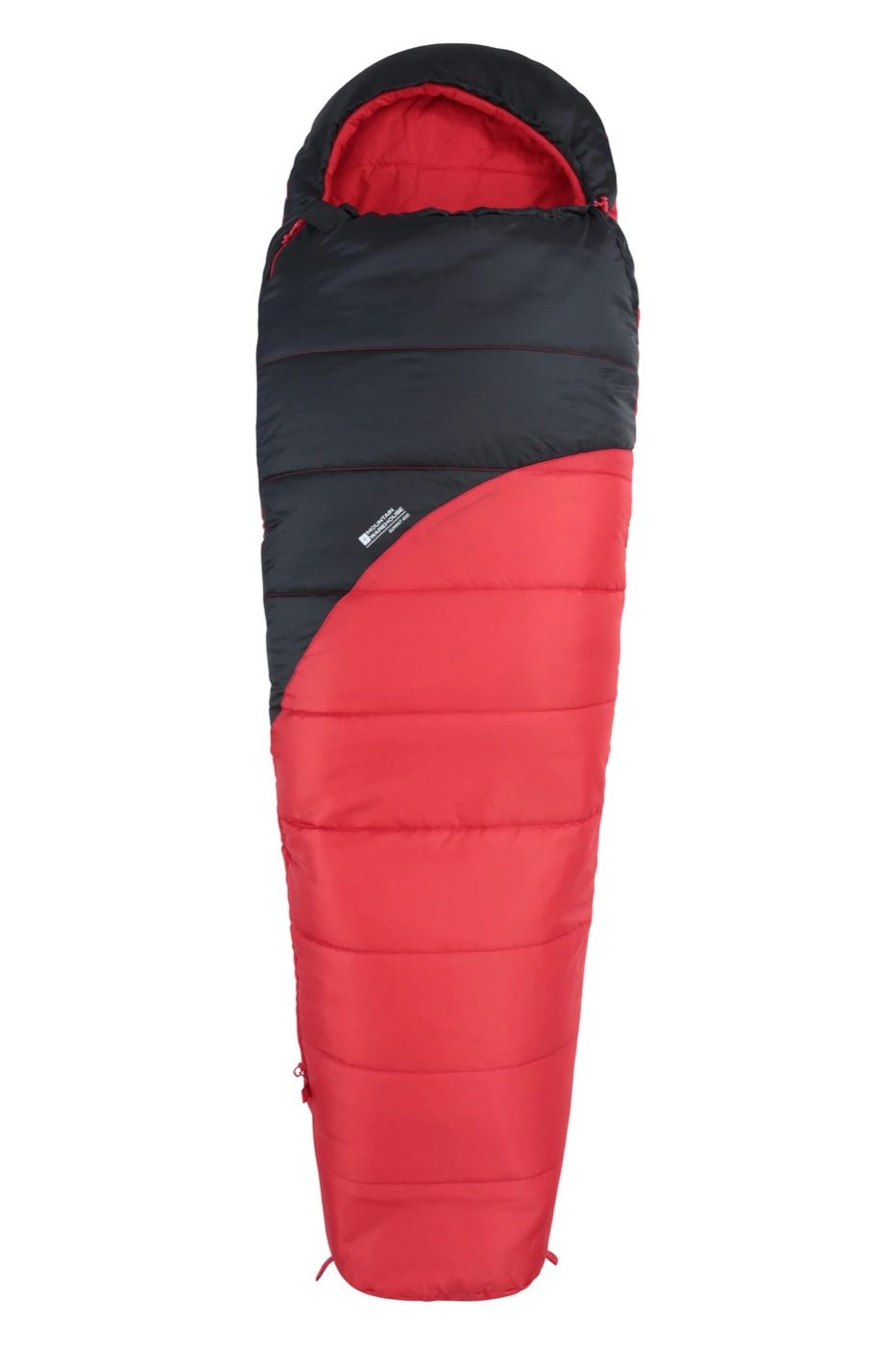
- Warmth
- Comfort 0 °C
- Weight
- 2.1 kg
- Packed size
- 40 × 26 × 26 cm
- Fill
- Hollowfibre polyester
- Shape
- mummy
A 0 °C comfort rating at a budget price, and easy to find in Mountain Warehouse shops. The mummy shape is warmer than a rectangle but a closer fit, so it suits people who sleep still.
Reasons to buy
- 0°C comfort / -5°C limit for £34.99 on sale
- Buyers report good results for youth camps: "My son has used it for Cub camp & loved it"
- Left/right zips pair into a double
Reasons to avoid
- "The regular size was a lot smaller than I expected" and "found it restrictive"
- 2.1kg and 40 x 26 x 26 cm packed - a car-camping bag
Most warmth per pound in our home picks.
Best for cold, draughty homes
Decathlon Simond MT500 -5 °C
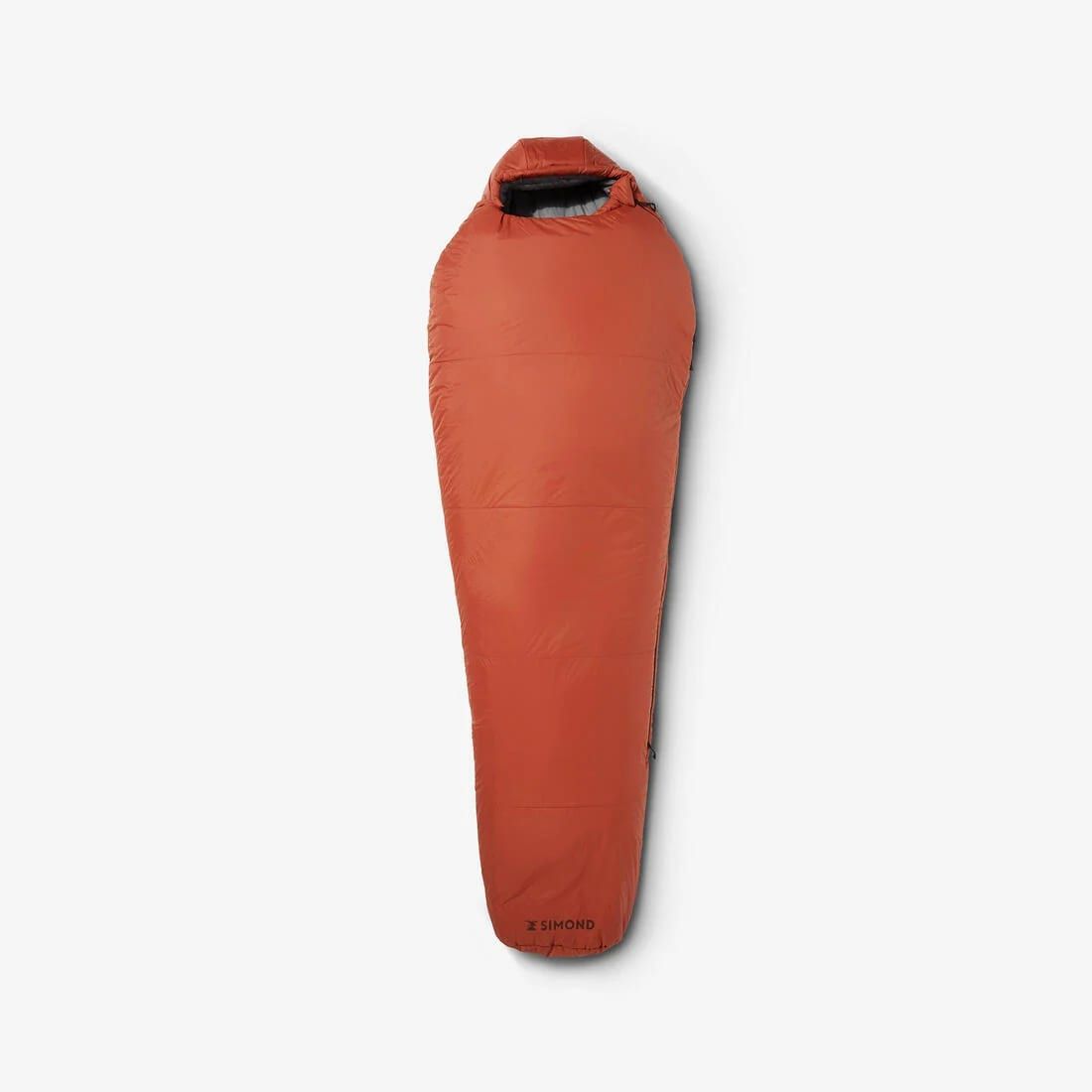
- Warmth
- Comfort -5 °C
- Weight
- 1.65 kg
- Packed size
- 41 × 23 cm
- Fill
- Silicone-coated spiral polyester fibre wadding
If you live in an old, rural or exposed house that gets cold fast, this -5 °C comfort bag gives real margin. It is heavy, but at home that doesn't matter, and synthetic fill copes with a damp room.
Reasons to buy
- Warm with no cold spots even when partly wet
- Large shoulder baffle and soft fabric; robust and reliable
- Very low price for a -5°C comfort bag
Reasons to avoid
- Heavy and bulky at 1650 g / 16 L for size L
- Advnture test may be an earlier MT500 -5°C version
Best for children
Mountain Warehouse Summit 200 Kids
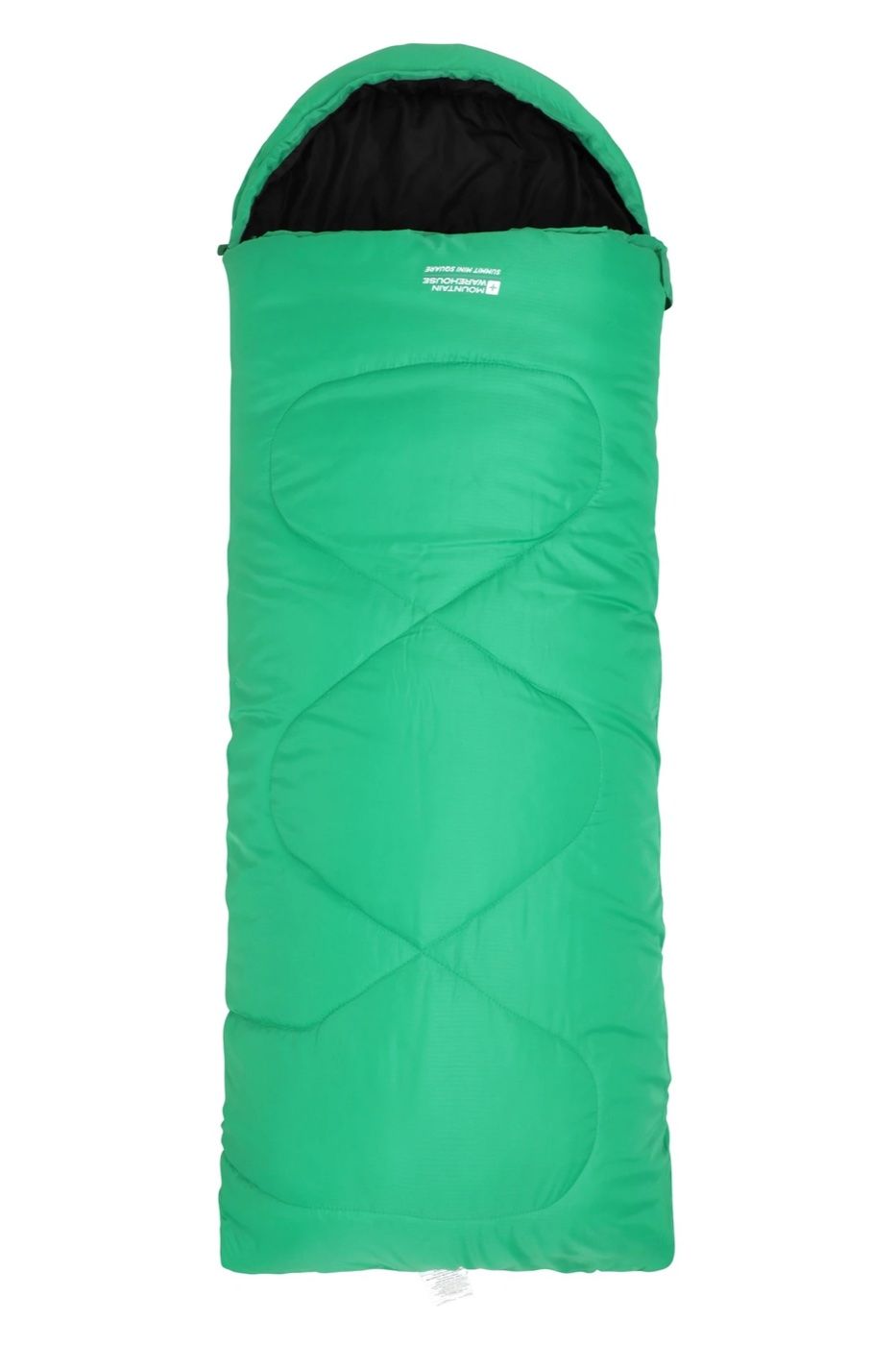
- Warmth
- Comfort +10 °C
- Weight
- 1 kg
- Packed size
- 38 × 18 × 18 cm
- Fill
- Hollowfibre polyester
- Shape
- Kids rectangle with hood
A child-sized bag warms up faster than an adult bag, because there is less space to heat. Its +10 °C rating is for mild nights, so in winter add a blanket on top and warm pyjamas.
Reasons to buy
- Very cheap at £24.99 and well rated: 4.4/5 from 85 MW reviews
- Roomy envelope shape with hood for children
Reasons to avoid
- 2-season only: 10°C comfort / 5°C limit, so summer and sleepovers
- "Great sleeping bag, for young children only" - 160cm length
Best for couples
Highlander Sleepline 250 Double
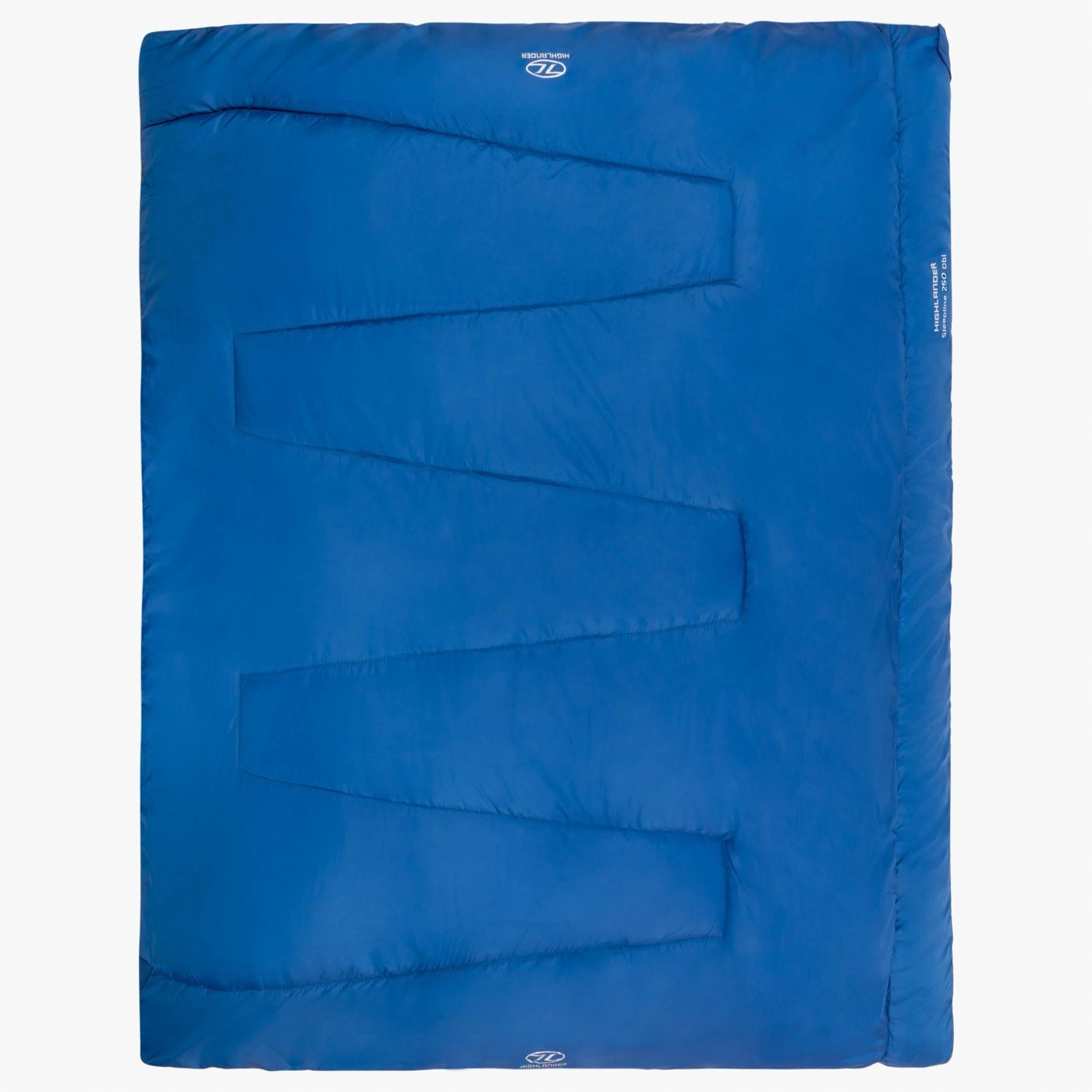
- Warmth
- Comfort +8 °C
- Weight
- 2.3 kg
- Packed size
- 48 × 29 × 29 cm
- Fill
- 250 gsm hollowfibre
- Shape
- Double rectangle
Two people sharing one bag keep each other warm. Its +8 °C rating is a summer figure, so pair it with your duvet or blankets in winter rather than relying on it alone.
Reasons to buy
- Sleeps two for about £37-40 - among the cheapest doubles from a UK brand
- Temperature figures tested to EN ISO 23537-1 per Highlander
- Full-length 2-way zip opens fully as a quilt
Reasons to avoid
- Comfort 8°C / limit 5°C: summer, festival and caravan use only
- 2.3kg and 48 x 29 x 29 cm packed; no written reviews on the maker page
Best for a grab bag or car
SOL Emergency Bivvy
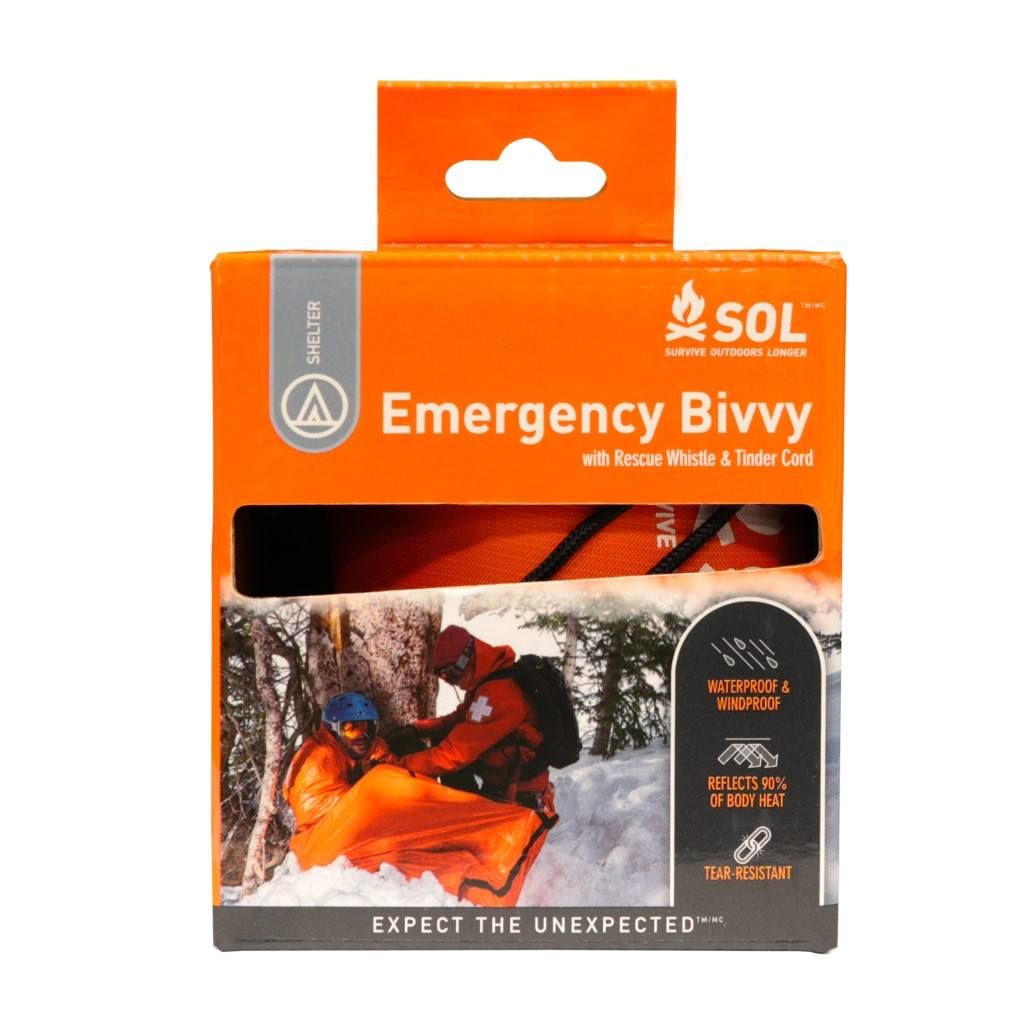
- Warmth
- Reflects 90% of body heat
- Weight
- 108 g
- Packed size
- 13 × 8 × 2 cm
- Fill
- Heat-reflective polyethylene, heat-sealed seams
Not a sleeping bag for the house, but worth having if you might need to leave home or get stuck on the road in winter. It packs to the size of a drinks can and reflects most of your body heat back to you.
Reasons to buy
- Sealed seams keep rain and wind out
- Tear-resistant enough to reuse
- Rescue whistle and tinder cord included
Reasons to avoid
- Non-breathable, so expect condensation
- Narrow for broad shoulders
Compare our picks
| Bag | Best for | Warmth | Weight | Best price |
|---|---|---|---|---|
| Decathlon Quechua Arpenaz 0 °C | Best overall | Comfort 0 °C | 2.2 kg | £59.99 at Decathlon |
| Vango Atlas 350 Quad | Budget | Comfort +2 °C | 1.65 kg | £33.99 at WM Camping |
| Mountain Warehouse Summit 400 | Warmth for money | Comfort 0 °C | 2.1 kg | £34.99 at Mountain Warehouse |
| Decathlon Simond MT500 -5 °C | Cold homes | Comfort -5 °C | 1.65 kg | £79.99 at Decathlon |
| Mountain Warehouse Summit 200 Kids | Children | Comfort +10 °C | 1 kg | £24.99 at Mountain Warehouse |
| Highlander Sleepline 250 Double | Couples | Comfort +8 °C | 2.3 kg | £36.92 at Wylies Outdoor World |
| SOL Emergency Bivvy | Grab bag | Reflects 90% of body heat | 108 g | £19.99 at Needle Sports |
How to choose a sleeping bag for a power cut
Most sleeping bag advice is written for hikers counting every gram. At home the priorities flip: weight barely matters, and price, warmth and comfort matter most.
- Aim for a comfort rating around 0 °C. Check the ISO 23537 comfort figure, not the season rating or the name. With a mattress and warm clothes, a bag rated 0 °C to +5 °C is a sensible choice for most UK homes. Go colder if your house is old, draughty or exposed.
- Choose synthetic fill. It is cheaper than down, washable at home, copes with damp and stores for years. Down's light weight and small pack size don't help you here.
- Pick a roomy shape. Rectangular bags are easier to get in and out of, nicer for several nights, and many zip together into a double.
- Buy one per person. Start with whoever feels the cold most: babies, older relatives and anyone unwell.
- Insulate from the floor. A bag does little where you lie on it, so use a bed, mattress or camping mat, never a bare floor.
- Store it loose. Keep it in a large sack or cupboard, not crushed in its stuff sack, and check it when you check the rest of your kit.
| For a home emergency kit | For hiking and camping | |
|---|---|---|
| Comfort rating | Around 0 °C to +5 °C | Matched to the coldest night of the trip |
| Fill | Synthetic: cheaper, washable, stores well | Down for weight; synthetic for wet trips |
| Shape | Rectangular or roomy | Mummy, for warmth per gram |
| Weight | Barely matters | Matters a lot |
A simple plan
- Count the people in your home and note who feels the cold most.
- Check what you already own: camping bags, spare duvets and blankets all count.
- Fill the gaps with one sleeping bag per person, most vulnerable first.
- Store them together with your torch, somewhere everyone knows.
- Sign up to the free Priority Services Register if you're eligible, so your energy and water suppliers know you need extra help.
Frequently asked questions
Does the government say I need a sleeping bag?+
The Be Ready checklist lists "blankets, sleeping bags and warm clothing" under Light and warmth, because homes can get cold quickly when the heating goes off. You don't have to buy new ones if you already have bags or plenty of bedding.
What temperature rating do I need for a power cut?+
In our view, a bag with an ISO comfort rating of 0 °C to +5 °C, used with a mattress and warm clothes, suits most UK homes. Choose a colder rating for old, draughty or exposed houses. This is our guidance, not part of the official checklist.
Should I buy a down or synthetic sleeping bag?+
Synthetic for a home kit. It costs less, can be washed at home and stores well for years. Down is lighter and packs smaller, which matters for hiking but not at home.
Is a foil blanket or emergency bivvy enough?+
Not for sleeping at home. Reflective bags and blankets are excellent backups for a grab bag or car, but most are thin and many are single use. A proper sleeping bag is far more comfortable for several nights.
Was Be Ready announced by the Ministry of Defence?+
No. Be Ready is run by the Cabinet Office and was announced by Security Minister Dan Jarvis. It replaces the earlier "Prepare" website, and much of the advice is unchanged.
How should I store an emergency sleeping bag?+
Loose, dry and somewhere easy to reach. Don't leave it compressed in its stuff sack for months, as that flattens the fill. Check it every six months when you check the rest of your kit, as the campaign suggests.
Sources
- 1Households encouraged to take small, simple steps to stay prepared in an emergency (Cabinet Office, GOV.UK, 22 October 2026)
- 2Be ready for emergencies: the Be Ready checklist (GOV.UK/BeReady)
- 3Be Ready checklist, printable PDF
- 4About this website and UK resilience (GOV.UK/BeReady)
- 5Priority Services Register
We may earn a commission when you buy through links on this page, at no extra cost to you. It never changes what we recommend. How we test