Best sleeping bags for DofE 2026: what to buy for Bronze, Silver and Gold
8 November 2026 · 8 min read · Prices checked 7 November 2026
Best sleeping bags for DofE
DofE says a 3-season sleeping bag will do for any Award level. Here's what that means in real temperatures, which bags DofE recommends, and how to keep your pack under the 25% weight limit.
Your sleeping bag is one of the biggest and heaviest things in a DofE rucksack, and one of the most important for a good expedition. The Duke of Edinburgh's Award's own advice is simple: "A 3 season bag should be fine for any Award level." This guide turns that into numbers you can shop with: the warmth rating to look for, the bags DofE recommends, and what each one adds to the weight on your back.
The best sleeping bags for DofE at a glance
What DofE recommends
- A 3-season bag. DofE's Expedition Kit Guide says it's worth investing in one "to see you through your Bronze, Silver and Gold DofE programmes and beyond". It warns that a two-season bag "in March or October may not keep you warm".
- A mummy shape, which keeps warm air close to your body.
- Synthetic or down. DofE says synthetic is cheaper and keeps more insulation when wet but is "considerably heavier". Down is lighter and more compact but costs more and must be kept dry.
- A compression stuff sack, and always a waterproof bag around your sleeping bag inside your rucksack.
- A proper sleeping mat, not a yoga mat, and a liner if it's colder than expected or you've borrowed a bag.
- Vango's Nitestar, Latitude, Ultralite and Mantis ranges are DofE Recommended Kit. DofE says recommended kit is fit for purpose and good value rather than high end, and that the charity receives a royalty on sales.
What "3-season" means in real temperatures
Season labels aren't standardised, so two "3-season" bags can be very different. A lab-tested comfort rating (ISO 23537 or EN 13537) is a better guide. From Met Office averages, the nights from April to October call for a comfort rating of about -1 °C, or 0 °C with a warm mat. If your expedition is in high summer, about 4 °C is enough. If you feel the cold, go a few degrees lower. Our guide to how to choose a sleeping bag explains where these figures come from.
The best sleeping bags for DofE
Best for DofE
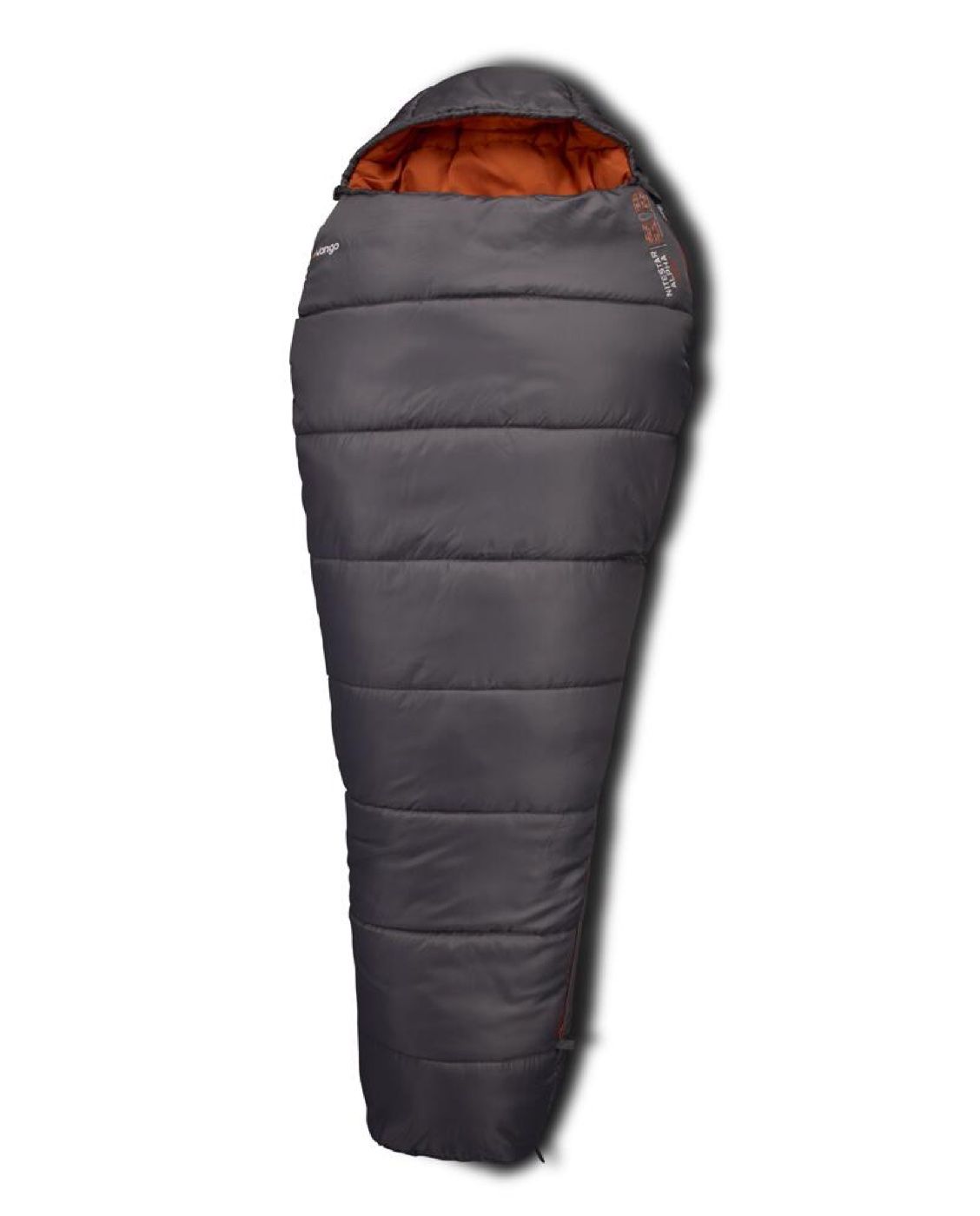
Vango Nitestar Alpha 350
- Warmth
- Comfort -1 °C
- Weight
- 1.93 kg
- Packed size
- ≈ 30 × 22 cm, per Attwoolls
- Fill
- Vango Insulite Alpha, offset double-layer construction
The Nitestar Alpha 350 is from Vango's DofE-recommended Nitestar range and has an ISO comfort rating of -1 °C, enough for April to October. It's about £47, the warmest lab-rated bag we compare under £50. The catch is weight: 1.93 kg, so it suits Bronze and Silver more than a long Gold expedition.
Reasons to buy
- ISO 23537-1:2022 lab-tested comfort -1°C / limit -7°C for around £40-50 street price - the warmest bag in this set per…
- Same DofE Recommended Nitestar Alpha platform as the 250: offset double-layer construction, insulated shoulder and zip…
- Widely stocked by independent UK camping retailers at well under RRP
Reasons to avoid
- 1.93 kg is heavy for backpacking and DofE carrying; Advnture's review of the smaller Nitestar 150 notes the synthetic…
- No independent editorial review of the 350 found; Vango direct is out of stock until February 2027
The safe, warm, affordable choice for most DofE participants.
Lighter DofE pick
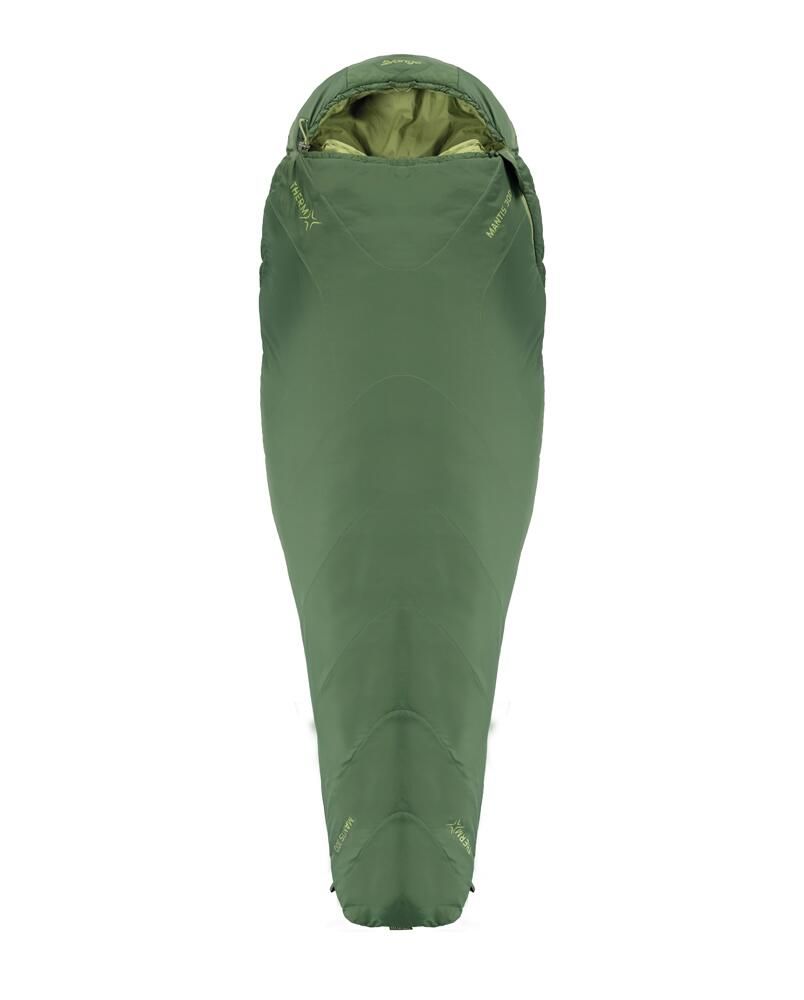
Vango Mantis 300
- Warmth
- Comfort +3 °C
- Weight
- 1.34 kg
- Packed size
- 27 × 19 cm (retailer figure; not on Vango page)
- Fill
- 4T Eco recycled synthetic fill, ThermX construction
From Vango's DofE-recommended Mantis range, the Mantis 300 weighs 1.34 kg, about 600 g less than the Nitestar Alpha 350. Its ISO comfort rating is 3 °C, so it's best for late spring and summer expeditions, or with a liner and warm layers in cooler months. About £57.
Reasons to buy
- Lab-tested ISO 23537 comfort +3 °C / limit -1 °C at a sub-£60 street price
- DofE Recommended, with a full-length two-way zip and insulated zip and shoulder baffles (Vango specs)
- At 1.34 kg it is about 260 g lighter than Vango's Nitestar Alpha 250
Reasons to avoid
- No independent editorial review of the Mantis 300 found; pros are from the maker's specs
- Out of stock on Vango's own site at check; retailer stock is patchy
A good fit for summer Bronze and Silver expeditions.
Budget alternative
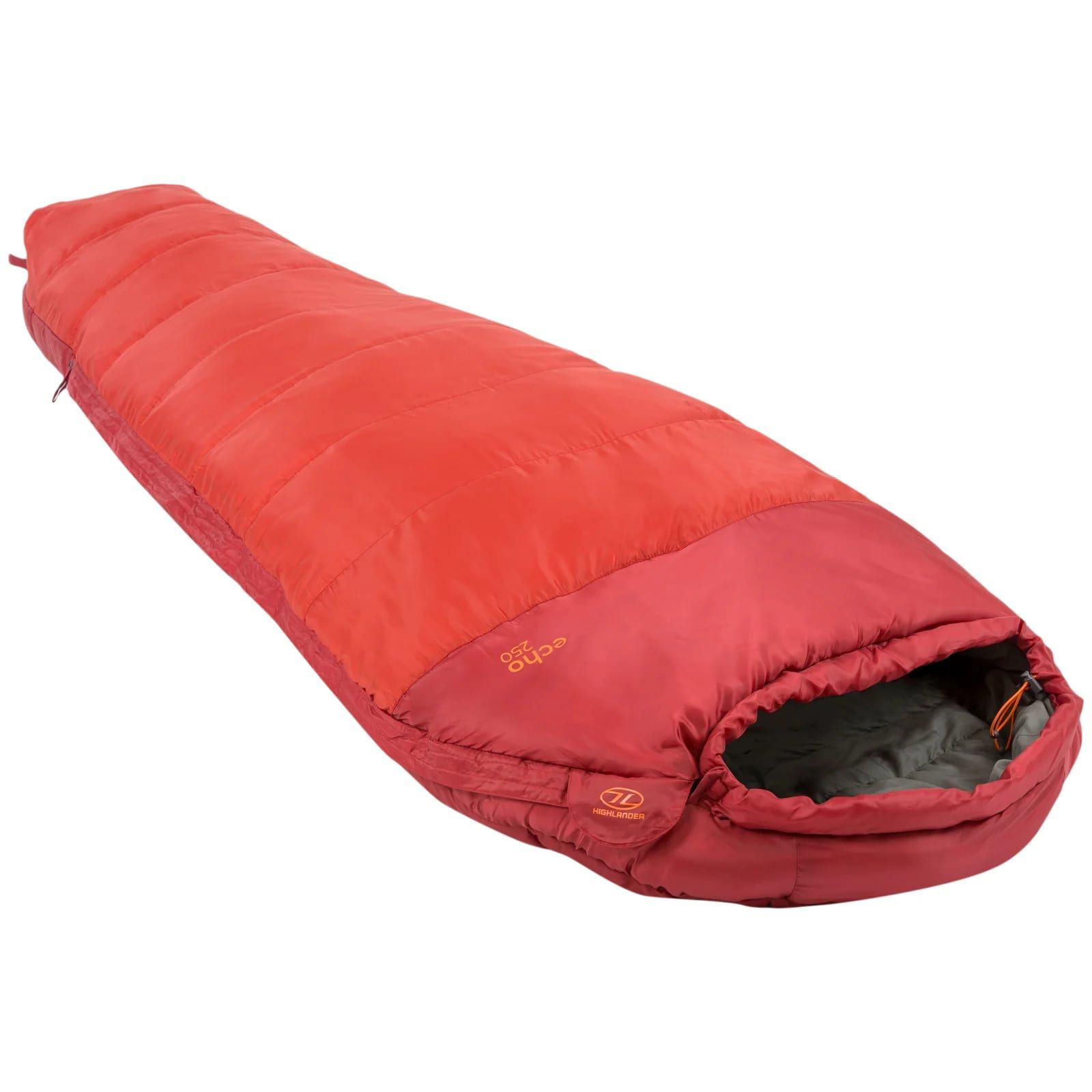
Highlander Echo 250
- Warmth
- Comfort 0 °C
- Weight
- 1.7 kg
- Packed size
- 40 × 21 × 21 cm
- Fill
- Spiral hollowfibre, 2 × 125 gsm
- Shape
- mummy
A mummy bag with an ISO comfort rating of 0 °C for about £50, from the Scottish brand Highlander. At 1.7 kg it's lighter than the Nitestar Alpha 350, with a slightly lower warmth rating.
Reasons to buy
- Draught collar, shoulder baffle and 2-way baffled zip are unusual at £60
- Double-layer offset fill reduces cold spots
- Ripstop shell with cire water-resistant coating
Reasons to avoid
- 1.7kg and 40 x 21 x 21 cm packed: heavy for backpacking
- No limit temperature published, only comfort and extreme; no reviews on the maker page
Spring-to-autumn warmth for under £50.
Lighter synthetic
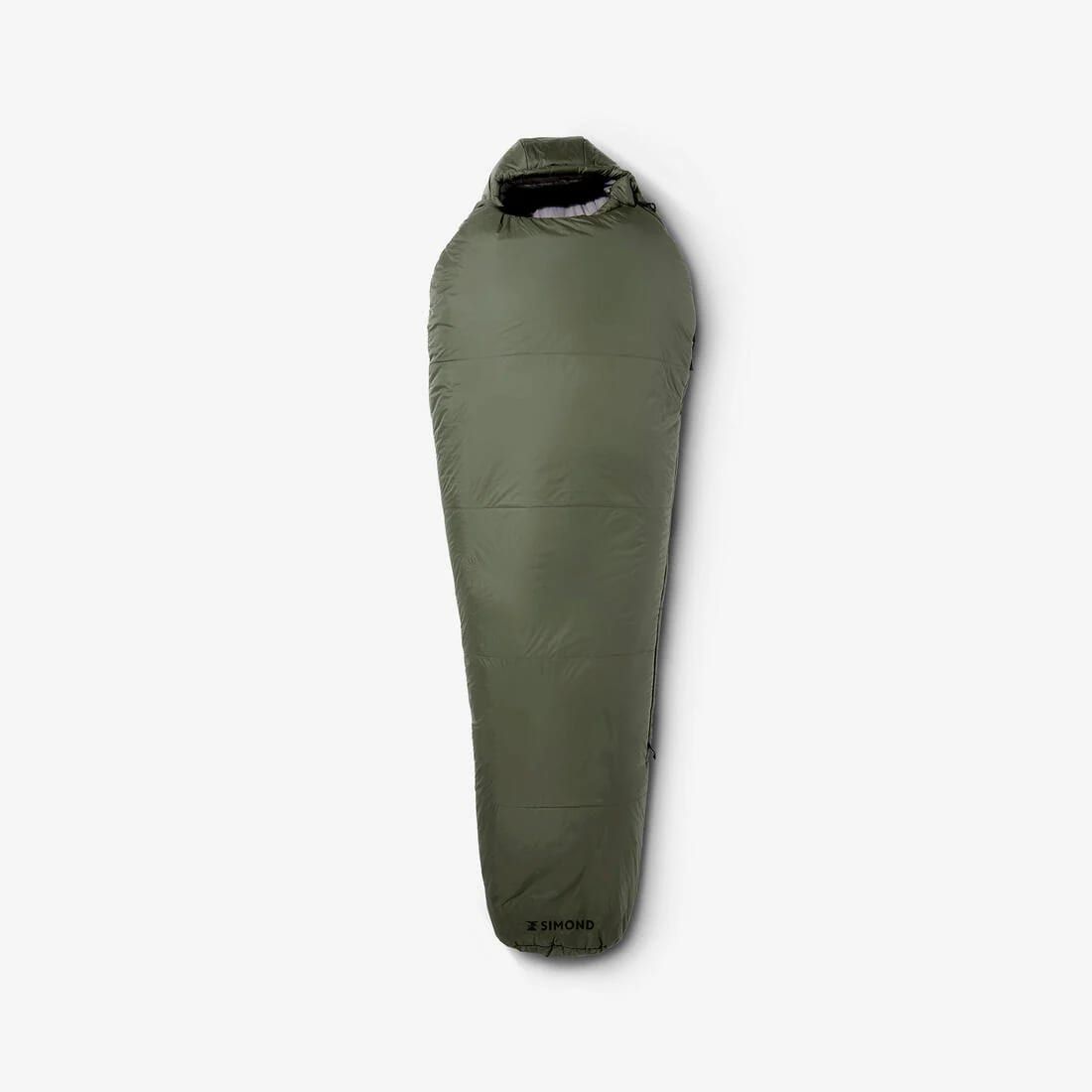
Decathlon Simond MT500 0 °C
- Warmth
- Comfort 0 °C
- Weight
- 1.45 kg
- Packed size
- 39 × 21 cm
- Fill
- Silicone-coated spiral polyester fibre wadding
Decathlon's MT500 is rated 0 °C comfort and weighs 1.45 kg, almost 500 g less than the Nitestar Alpha 350, for about £80. Decathlon blocks our price checks, so check its current price on Decathlon's site.
Reasons to buy
- Cheapest lab-rated 0°C mummy in the range
- Synthetic fill tolerates damp UK conditions
Reasons to avoid
- Roughly 520 g heavier and much bulkier than MT900 0°C down
- No independent review of this exact model found
Less weight without the cost of down.
Best value down
Decathlon Simond MT900 0 °C Down
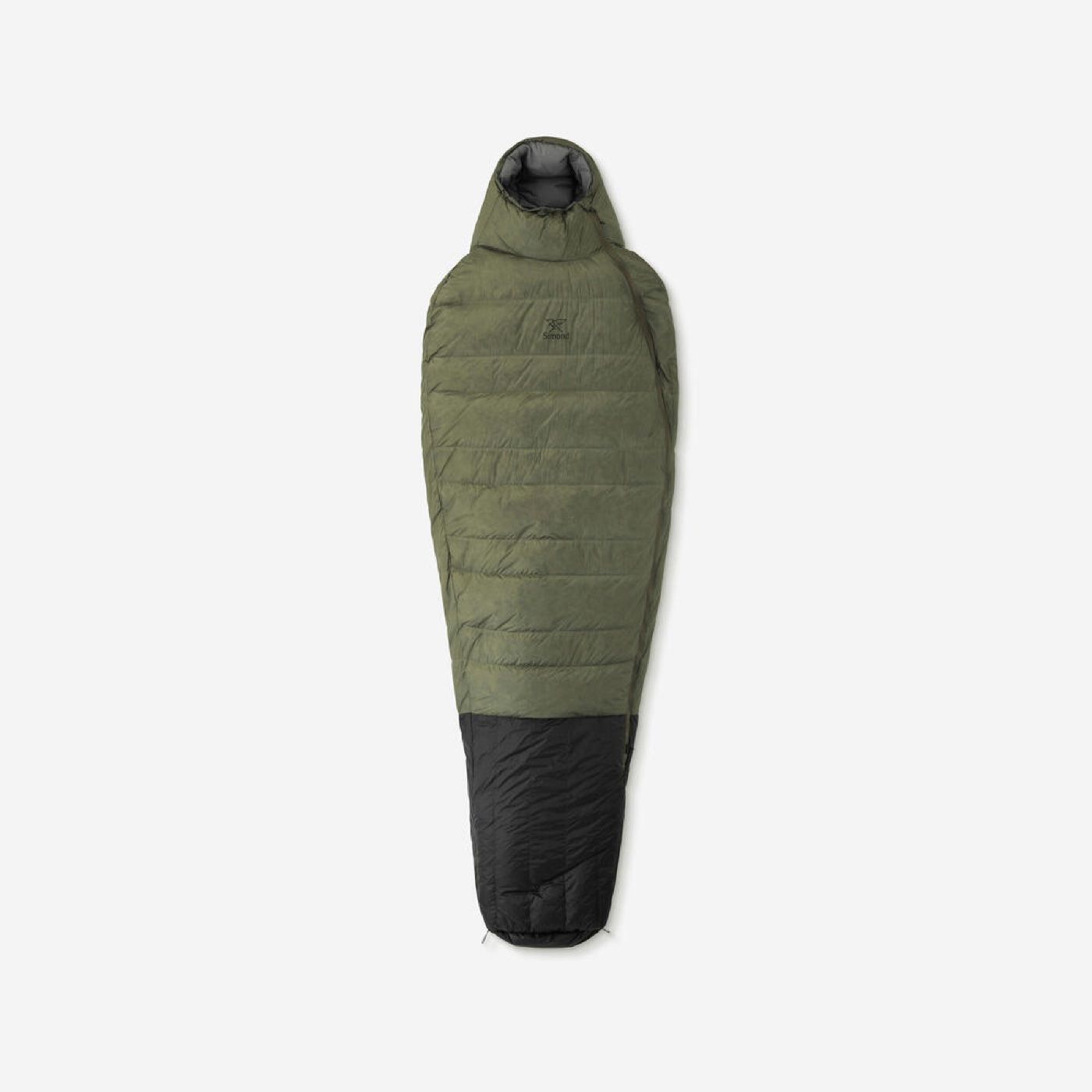
- Warmth
- Comfort 0 °C
- Weight
- 930 g
- Packed size
- 11 L uncompressed
- Fill
- 800 FP down, 495 g fill
A 0 °C down bag at 930 g, about a kilo lighter than the Nitestar Alpha 350, for about £170. That weight saving matters on a four-day Gold expedition. Down must be kept dry, so pack it in a waterproof bag every time.
Reasons to buy
- Published fill weight, fill power and independent lab rating at this price
- Generous ~72 cm shoulder width for a mummy, full-length draught baffle
Reasons to avoid
- Heavier than premium down bags of similar rating
- Needs an R4.8 mat to reach its rating; no neck baffle reported
The cheapest way to a light pack for Silver and Gold.
Lightest for Gold
Mountain Equipment Helium 400
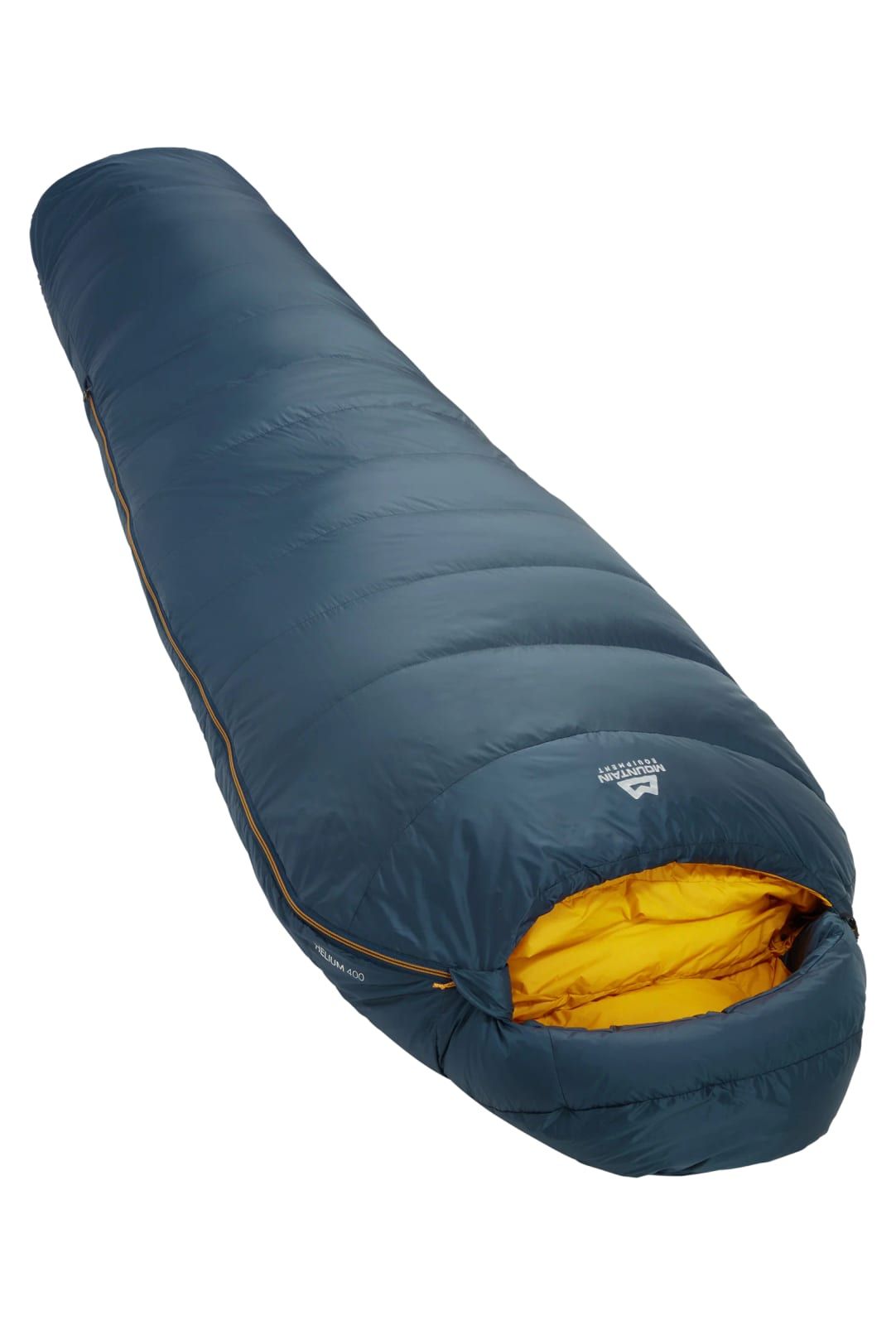
- Warmth
- Comfort 0 °C
- Weight
- 820 g
- Packed size
- 24 × 21 × 20 cm
- Fill
- 700 FP duck down, 403 g fill
The Helium 400 has an ISO comfort rating of 0 °C at just 820 g, with 700 fill-power down. At about £240 it's a big spend, but it will last well beyond DofE.
Reasons to buy
- Good balance of warmth, weight and value
- Magnetic Lode Lock hood/collar closure works one-handed and with gloves
- Smooth, well-baffled side zip and box-wall construction with no reported cold spots
Reasons to avoid
- Slim alpine fit may not suit larger builds
- Duck rather than goose down, and no hydrophobic treatment
For Gold, and for anyone who'll keep camping afterwards.
Summer Bronze
Vango Nitestar Alpha 250
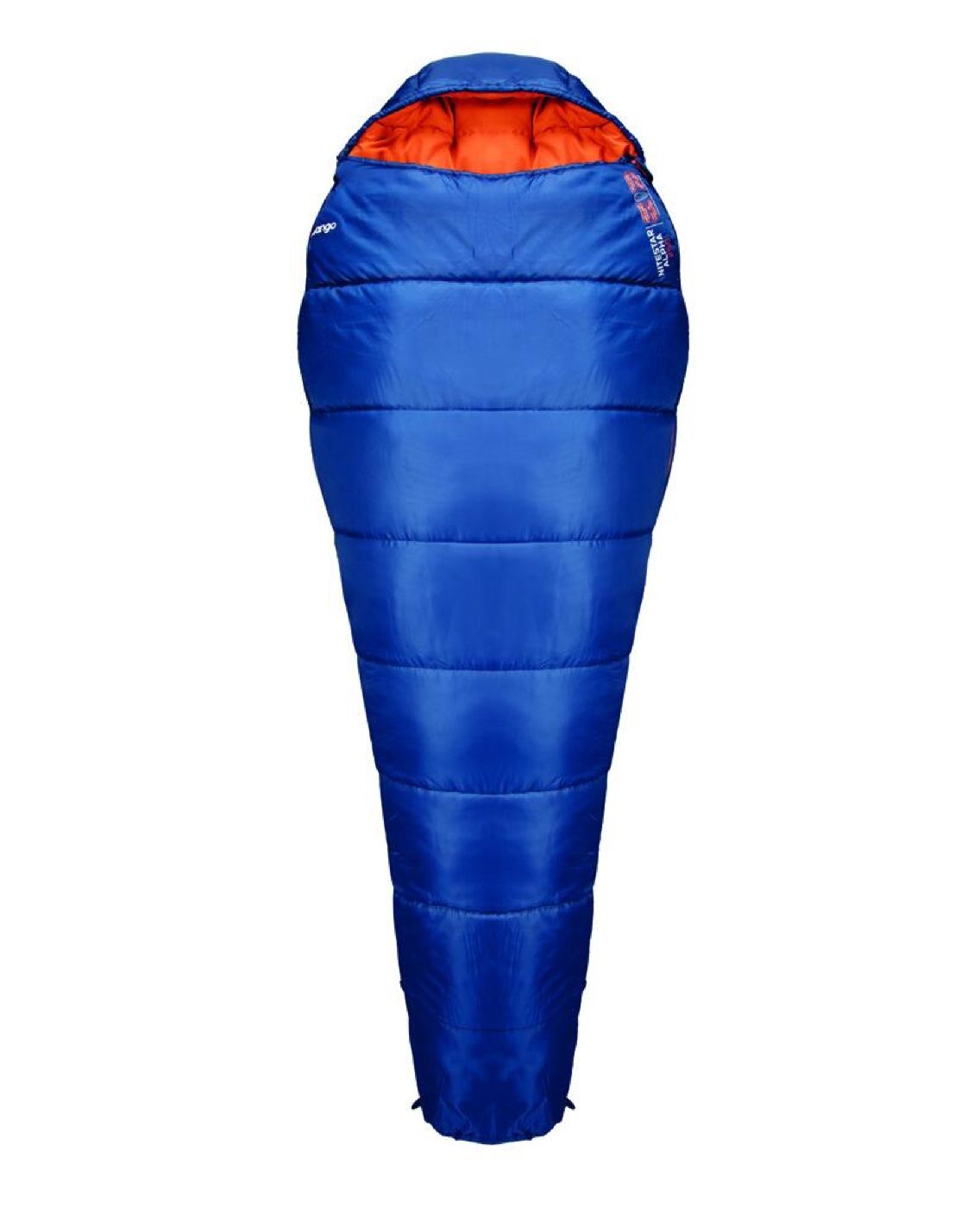
- Warmth
- Comfort +2 °C
- Weight
- 1.6 kg
- Packed size
- Not stated by maker
- Fill
- Vango Insulite Alpha, offset double-layer construction
The lighter Nitestar Alpha 250 is rated 2 °C comfort at 1.6 kg, from Vango's DofE-recommended range, for about £40. It's fine for summer, but on the edge for a March or October expedition.
Reasons to buy
- Lab-tested ISO 23537 comfort 2°C / limit -4°C at a sub-£50 street price
- Retailer customer reviews praise compressibility, price/performance, draft collar and adjustable hood
- DofE Recommended and widely stocked, with a 250S short version for smaller users
Reasons to avoid
- 1.6 kg is heavy for backpacking at this warmth level
- No independent editorial review of the 250 found; only retailer customer feedback
Only if your expedition is in summer.
Keeping your pack under the weight limit
DofE suggests your rucksack and everything in it should weigh no more than 25% of your body weight, and its Kit Guide recommends a rucksack of at least 60 litres for Bronze and often 70 litres for Gold. Your sleeping bag takes a big share of that allowance:
| Bag | Weight | Body weight 45 kg (pack 11.25 kg) | 55 kg (13.75 kg) | 65 kg (16.25 kg) |
|---|---|---|---|---|
| Vango Nitestar Alpha 350 | 1.93 kg | 17% | 14% | 12% |
| Highlander Echo 250 | 1.7 kg | 15% | 12% | 10% |
| Decathlon Simond MT500 0 °C | 1.45 kg | 13% | 11% | 9% |
| Vango Mantis 300 | 1.34 kg | 12% | 10% | 8% |
| Decathlon Simond MT900 0 °C Down | 930 g | 8% | 7% | 6% |
| Mountain Equipment Helium 400 | 820 g | 7% | 6% | 5% |
Your share of the group kit, such as the tent and stove, also goes in your rucksack and counts towards the limit, so every gram you save on your sleeping bag leaves more room for food, water and group gear.
Tips for a warm night on expedition
- Keep it dry. Pack your sleeping bag in a dry bag or a strong bin bag inside your rucksack, as DofE advises.
- Use a proper mat. DofE says a mat helps "keep the cold from the ground away from your body". Use a closed-cell foam or self-inflating mat made for outdoor use, not a yoga mat.
- Add a liner if the night is colder than expected. It also keeps the bag clean, which matters if it's borrowed.
- Sleep in dry clothes and a hat, and keep tomorrow's damp layers out of your sleeping bag.
- Practise packing your rucksack before the expedition, so you know everything fits.
- Check with your DofE Leader. Your Expedition Supervisor checks your kit and has the final say.
DofE sleeping bag FAQ
Frequently asked questions
What sleeping bag do I need for DofE?+
DofE says a 3-season bag should be fine for any Award level. In numbers, look for a lab-tested comfort rating of about -1 °C for expeditions between April and October, or 0 °C with a warm mat.
Is a 2-season sleeping bag OK for Bronze DofE?+
Only for a summer expedition. DofE's Expedition Kit Guide warns that a two-season bag in March or October may not keep you warm.
What sleeping bags does DofE recommend?+
DofE's Recommended Kit includes Vango's Nitestar, Latitude, Ultralite and Mantis sleeping bag ranges. You don't have to buy recommended kit, but it has been checked as suitable for DofE expeditions.
Down or synthetic for DofE?+
Synthetic is cheaper and copes better with damp, which suits most Bronze and Silver expeditions. Down saves weight, which helps on a four-day Gold expedition, but it must be kept dry.
How heavy should a DofE rucksack be?+
DofE suggests no more than 25% of your body weight for the rucksack and everything in it. For someone weighing 50 kg, that's 12.5 kg.
Compare every synthetic sleeping bag and down sleeping bag by warmth, weight and price, or see all sleeping bags.
We may earn a commission when you buy through links on this page, at no extra cost to you. It never changes what we recommend. How we test